Optimal Timing for Mold Testing
Understanding the optimal timing for mold testing is essential for accurate detection and assessment. Mold can grow year-round, but certain conditions influence its proliferation, making specific seasons or circumstances more suitable for testing. Proper timing ensures reliable results and effective remediation planning.
Mold growth tends to increase during humid months, typically in spring and summer. Conducting testing during these periods can reveal active mold issues that may not be as apparent in drier seasons.
After flooding, leaks, or water intrusion, mold can develop rapidly. Testing soon after water exposure helps identify hidden mold and prevents health risks.
High indoor humidity promotes mold growth. Testing when humidity exceeds 60% can detect mold presence before visible signs appear.
Before or after renovation projects, testing can identify existing mold issues or ensure new mold does not develop during construction.
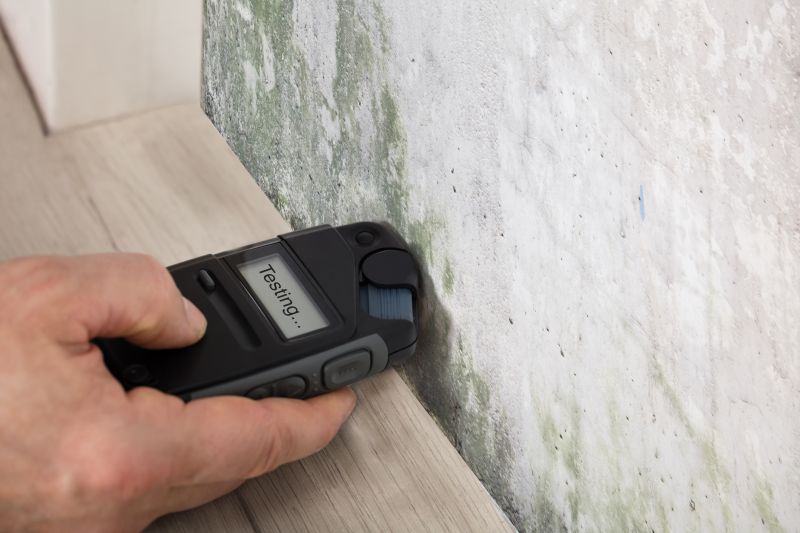
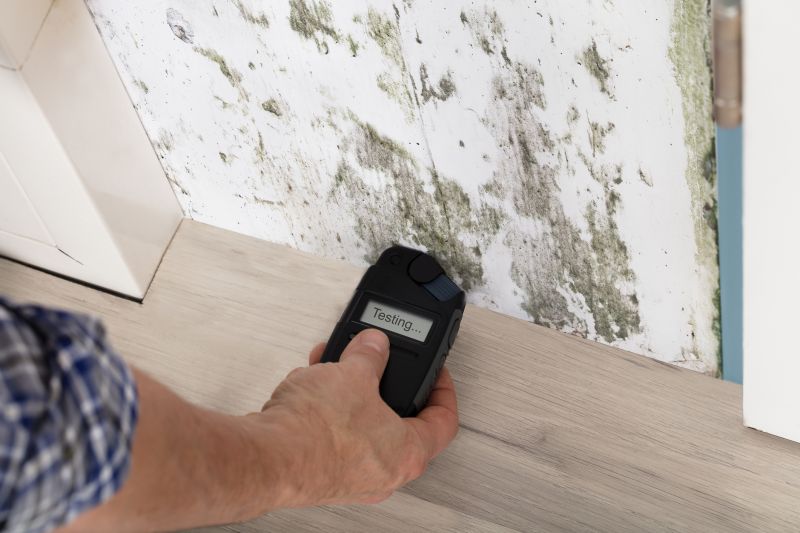
Advanced tools used for accurate mold detection.
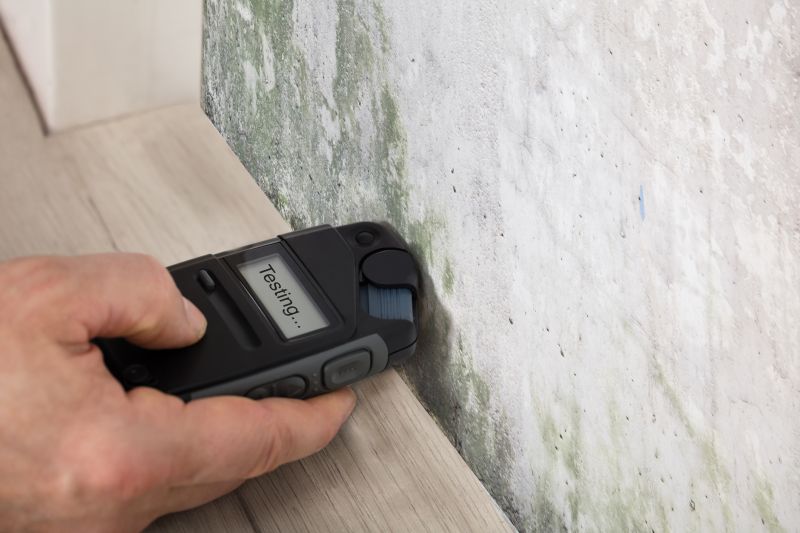
Addressing water intrusion to prevent mold growth.
Measuring moisture levels for mold prevention.
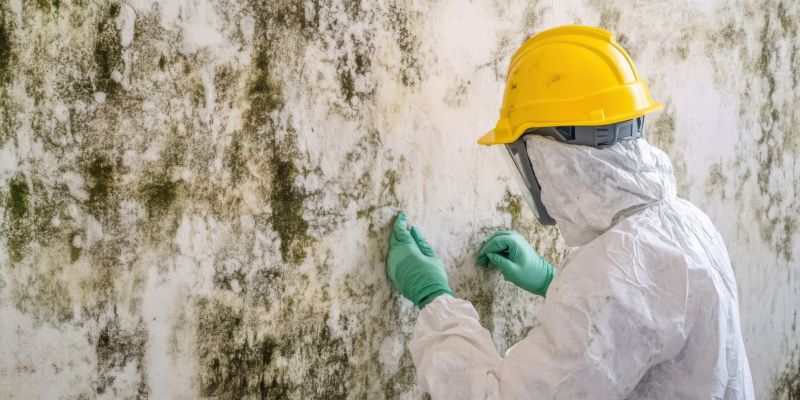
Step-by-step mold assessment procedures.
| Timing Factor | Impact on Mold Testing |
|---|---|
| Seasonal Humidity | Higher humidity in summer increases mold activity, making testing more effective. |
| Water Damage Events | Immediate testing post-water exposure detects hidden mold before it spreads. |
| Indoor Conditions | Elevated humidity levels can lead to mold growth, warranting timely testing. |
| Renovation Periods | Testing before and after renovations ensures mold is not present or has been properly addressed. |
| Occupant Symptoms | Persistent allergy symptoms may indicate mold, regardless of season, prompting testing. |
| Weather Conditions | Rainy or damp weather can elevate indoor moisture, increasing mold risk. |
Mold testing services utilize specialized sampling and analysis techniques to identify mold presence and concentrations. These services are crucial in diagnosing hidden mold issues that may not be visible to the naked eye. Timely testing can prevent health problems, reduce property damage, and guide effective remediation strategies. Regular assessments are recommended in high-risk environments, especially during seasons or conditions conducive to mold growth.
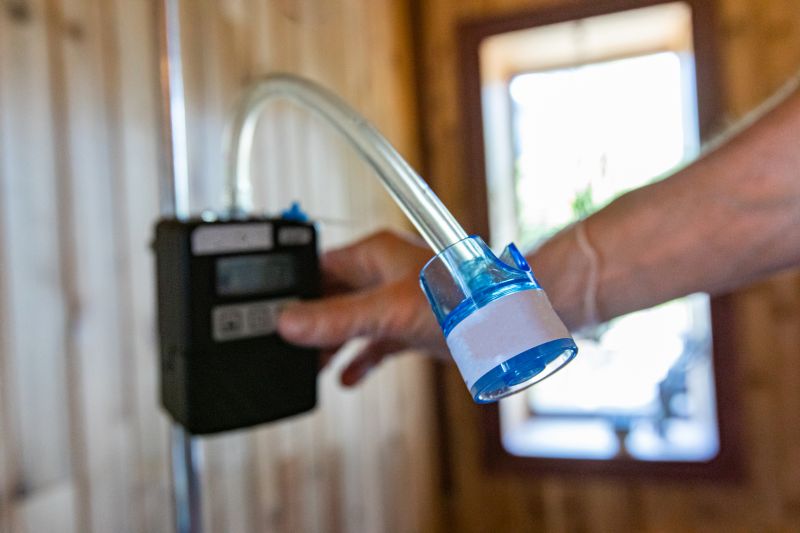
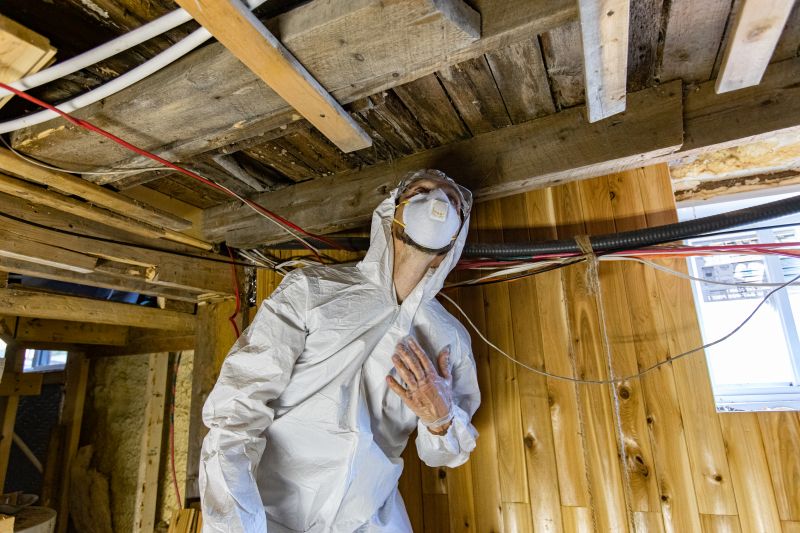
Collecting air and surface samples for analysis.
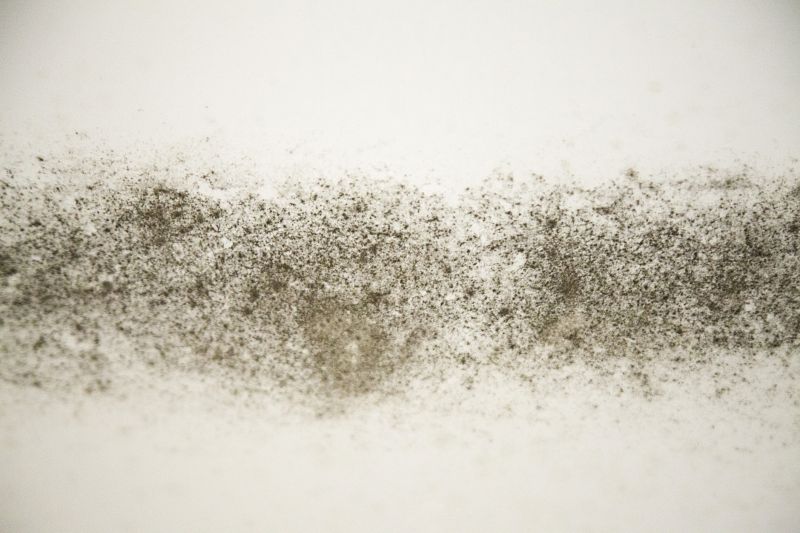
Detailed examination of samples to identify mold types.
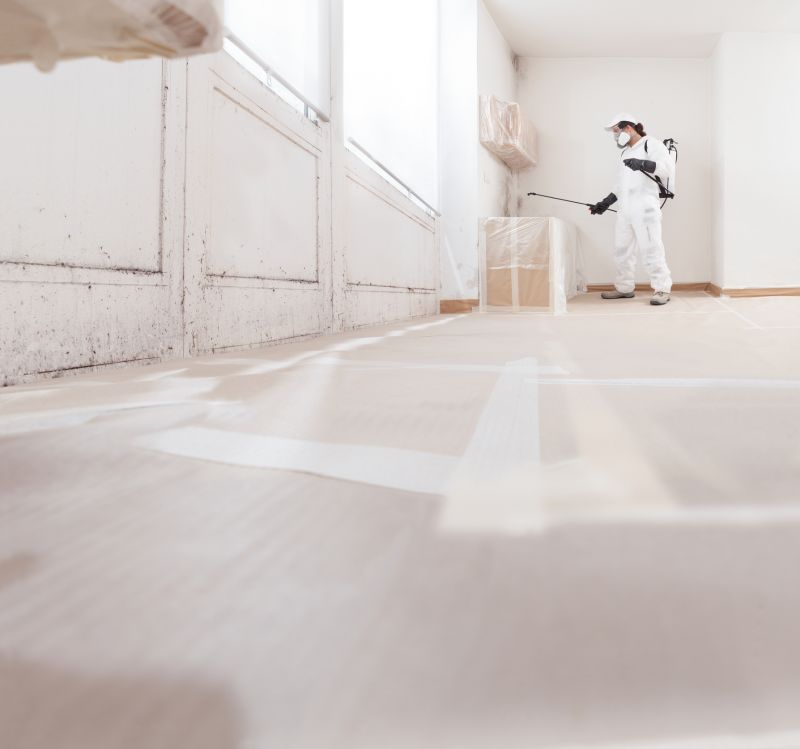
Using test results to develop effective mold removal strategies.
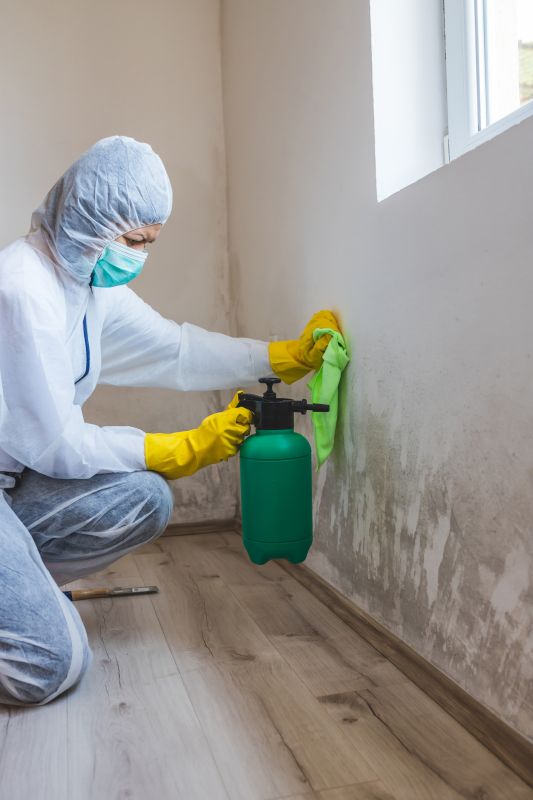
Verifying mold removal success after remediation.
Ways to make Mold Testing Service work in tight or awkward layouts.
Popular materials for Mold Testing Service and why they hold up over time.
Simple add-ons that improve Mold Testing Service without blowing the budget.
High-end options that actually feel worth it for Mold Testing Service.
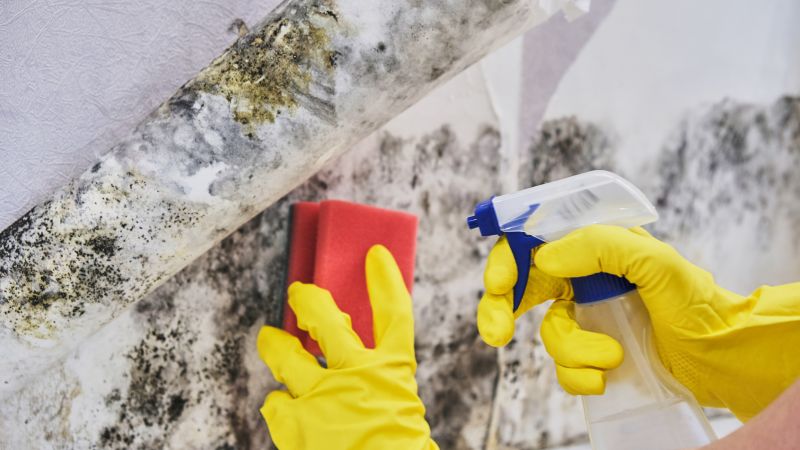
Finishes and colors that play nicely with Mold Testing Service.
Interested in scheduling a mold testing service? Filling out the contact form provides an opportunity to assess potential mold issues and determine the appropriate timing for testing. Early detection is key to maintaining a healthy indoor environment and preventing costly repairs.